Skip to content
rhyme.news
Thursday 29 October 20269 stories16 patterns in the libraryEvery story cross-referenced with the historical record
Historical pattern · 1992 – 2021

Israeli deadlock with Arab parties as kingmakers

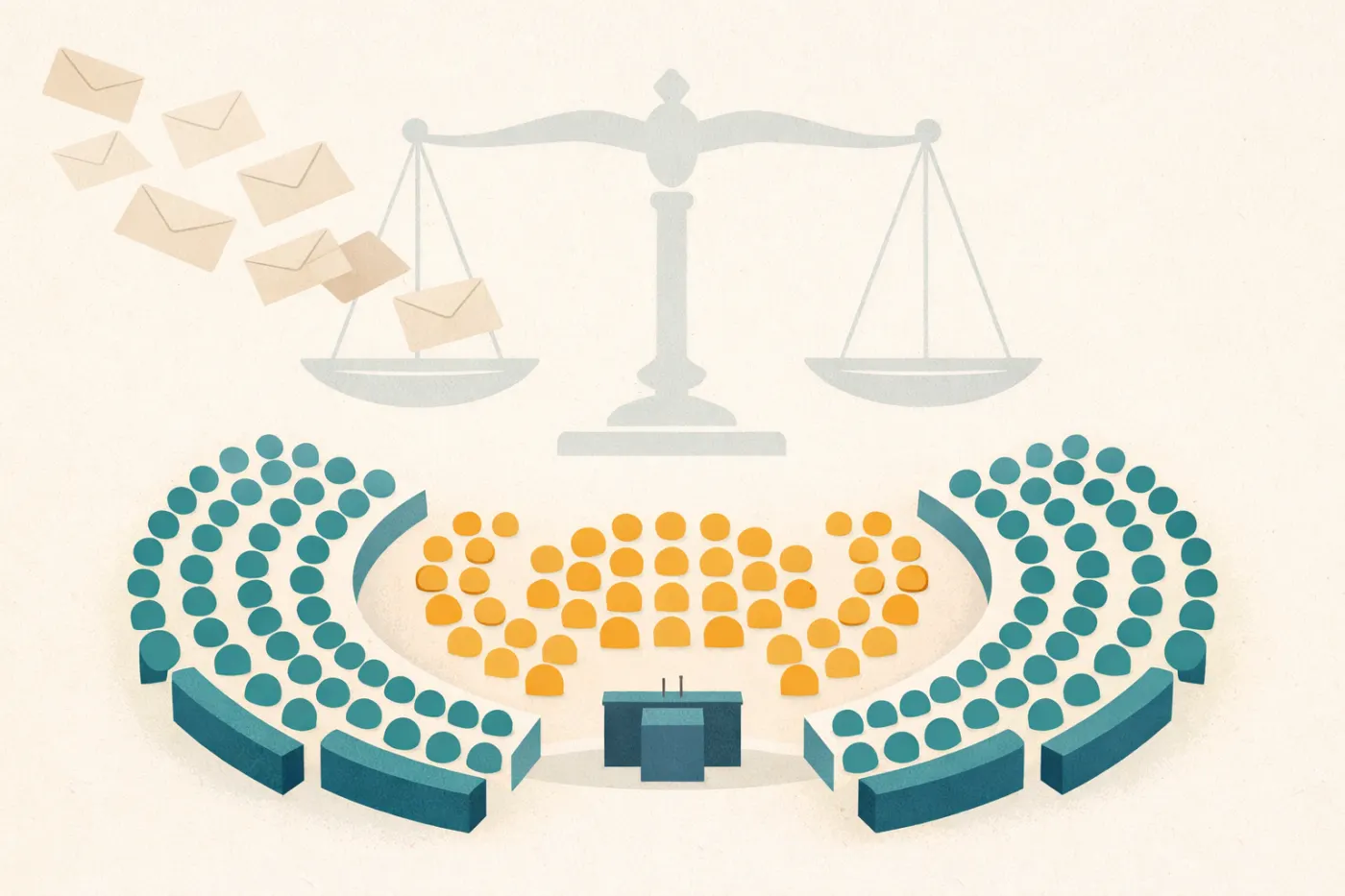
Israeli elections in which neither main camp can reach 61 seats without Arab-led parties. The arithmetic favours a change government, but Zionist leaders' reluctance to depend on Arab lists, often amplified by Netanyahu's delegitimisation of Arab votes, frequently produces reruns or unity deals instead.

The cases

5 episodes
  1. 1992

    Rabin's blocking majority

    Labour and Meretz formed a government that depended on outside support from Hadash and the Arab Democratic Party for a blocking majority.

    What happened next: Government formed and governed; it signed the Oslo Accords.change-government

  2. 2019

    April 2019 election

    Netanyahu's bloc fell short of 61 after Yisrael Beytenu refused to join; Arab seats meant no rival majority existed without them.

    What happened next: No government formed; Knesset dissolved and a rerun was called.rerun

  3. 2019

    September 2019 election

    The Joint List won 13 seats and recommended Benny Gantz, the first such recommendation since 1992; neither Netanyahu nor Gantz could form a coalition.

    What happened next: No government formed; a third election was held in March 2020.rerun

  4. 2020

    March 2020 election

    The Joint List won a then-record 15 seats and again recommended Gantz, giving him a numerical anti-Netanyahu majority.

    What happened next: Gantz joined a Netanyahu-led unity government in May 2020; it collapsed in December 2020.unity-government

  5. 2021

    March 2021 election

    Deadlock again; Ra'am held the balance and negotiated with both camps.

    What happened next: The Bennett–Lapid coalition took office in June 2021 with Ra'am inside it; Netanyahu called it fraud; the coalition collapsed in June 2022.change-government

How these cases resolved

Change government relying on Arab votes40%
No government; repeat election40%
Cross-bloc unity government20%

Share of the 5 cases above that resolved this way. Small samples: treat as a prior, not a forecast.

Signals that mark this pattern
  • Neither bloc reaches 61 seats on its own
  • Arab-led lists hold the balance of a possible alternative majority
  • Zionist opposition leaders avoid committing to Arab support
  • Netanyahu or Likud frames Arab votes as illegitimate or dangerous
  • The president presses for broad coalition talks
The lesson
Arab parties' seats have been decisive on paper but usable only when a Zionist leader was willing to absorb the political cost, and the resulting governments have tended to be fragile.

Stories echoing this pattern